DES MOINES, Iowa — Iowa lawmakers passed House File 2801 in a one-day special session Oct. 2, and Gov. Kim Reynolds signed it that night, clearing the way for up to $1.36 billion in state tax incentives for Mesabi Metallics' planned $15 billion steel complex in Lee County, which the White House calls the largest steel plant in American history, according to the Des Moines Register.
Key facts
- Trump announced the Lee County complex in an Oval Office ceremony Sept. 28; the White House says it would be the largest steel plant in U.S. history, with 6,000 construction workers and 1,750 permanent workers, the Des Moines Register reported via USA Today.
- The complex would process Minnesota iron ore and recycled scrap in electric-arc furnaces, with initial capacity of 7.5 million tons a year and potential expansion to about 10 million, per Scrap Monster.
- The Iowa House passed the incentive bill 75-17 and the Senate 28-19; the law raises the MEGA investment tax-credit ceiling from 5% to as much as 10% for the project, per Scrap Monster.
- The preliminary $1.36 billion package works out to roughly $777,000 per promised permanent job by the Register's calculation, and the Iowa Economic Development Authority has yet to finalize it, per the Des Moines Register.
The project
The Iowa plant is one leg of an $18 billion chain. About $3 billion is going into Mesabi's iron ore mine and pellet plant in Nashwauk, Minnesota, to feed the Iowa furnaces with a domestic supply chain from mine to finished steel, according to Expansion Solutions. Minnesota state Rep. Spencer Igo called the Nashwauk operation the nation's first new iron ore mine in more than 50 years. The company estimates $95 billion in total economic output during construction and the first decade of operations.
Foreign capital, American jobs
Mesabi Metallics is backed by Mumbai-based Essar Group, whose co-founder Ravi Ruia has spent two decades trying to build a North American steel empire. Mesabi says the plant would employ 1,750 people in engineering, technology and steelmaking, and expects spillover work for logistics firms, equipment suppliers and other Midwest businesses, Expansion Solutions reported.
Financing and history
The Ruias' push has faced multiple bankruptcy filings and accusations of broken contracts, missed deadlines and stiffed contractors, the Register reported. Jesse Harris, a Mesabi spokesman, told the paper the company is "well positioned to fund and develop the Iowa steel plant" and that Essar has invested about $2 billion. The final state incentive contract is also still pending — the legislature authorized the credits, but the Iowa Economic Development Authority has yet to finalize them.
The incentive math
Iowa Economic Development Authority Director Debi Durham told lawmakers the credits are "strictly performance-based." The program requires half the project's jobs to be created before credits are awarded, though HF 2801 lets credits begin once a designated portion of the project, rather than the whole plant, is in service, the Register reported.
What it means for the Midwest
Iowa rewrote its MEGA incentive law in a one-day session to compete for the project. Mesabi CEO Joe Broking told lawmakers the site offers access to the company's Minnesota mining operation plus rail and Mississippi River connections, Scrap Monster reported, adding that the plant "could materially change Midwest flows of direct-reduction iron, iron-ore pellets and ferrous scrap."
In Minnesota, state Rep. Spencer Igo noted the ore is mined in his state while "Mesabi's next $15 billion investment and as many as 1,700 jobs are going to Iowa," calling on Minnesota leaders to make the state a place companies build.
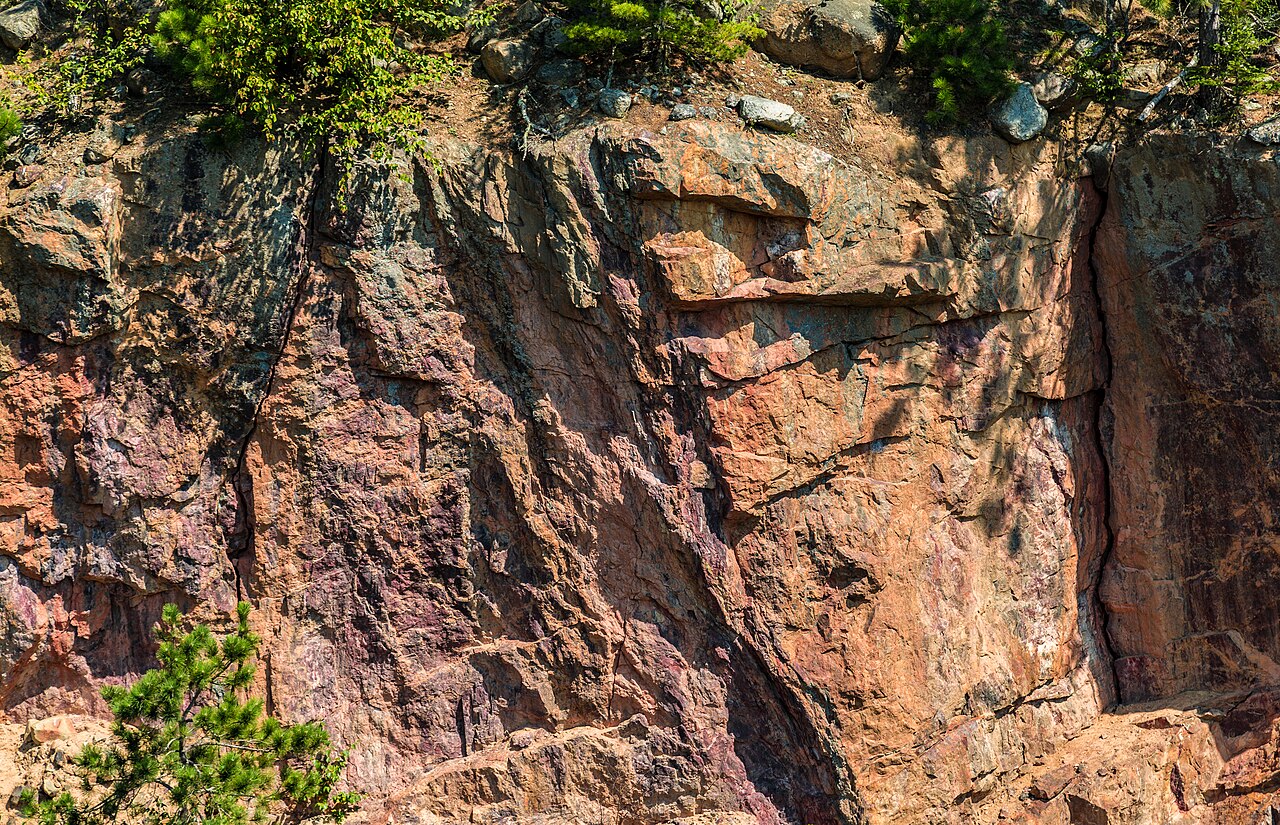
Photo credit
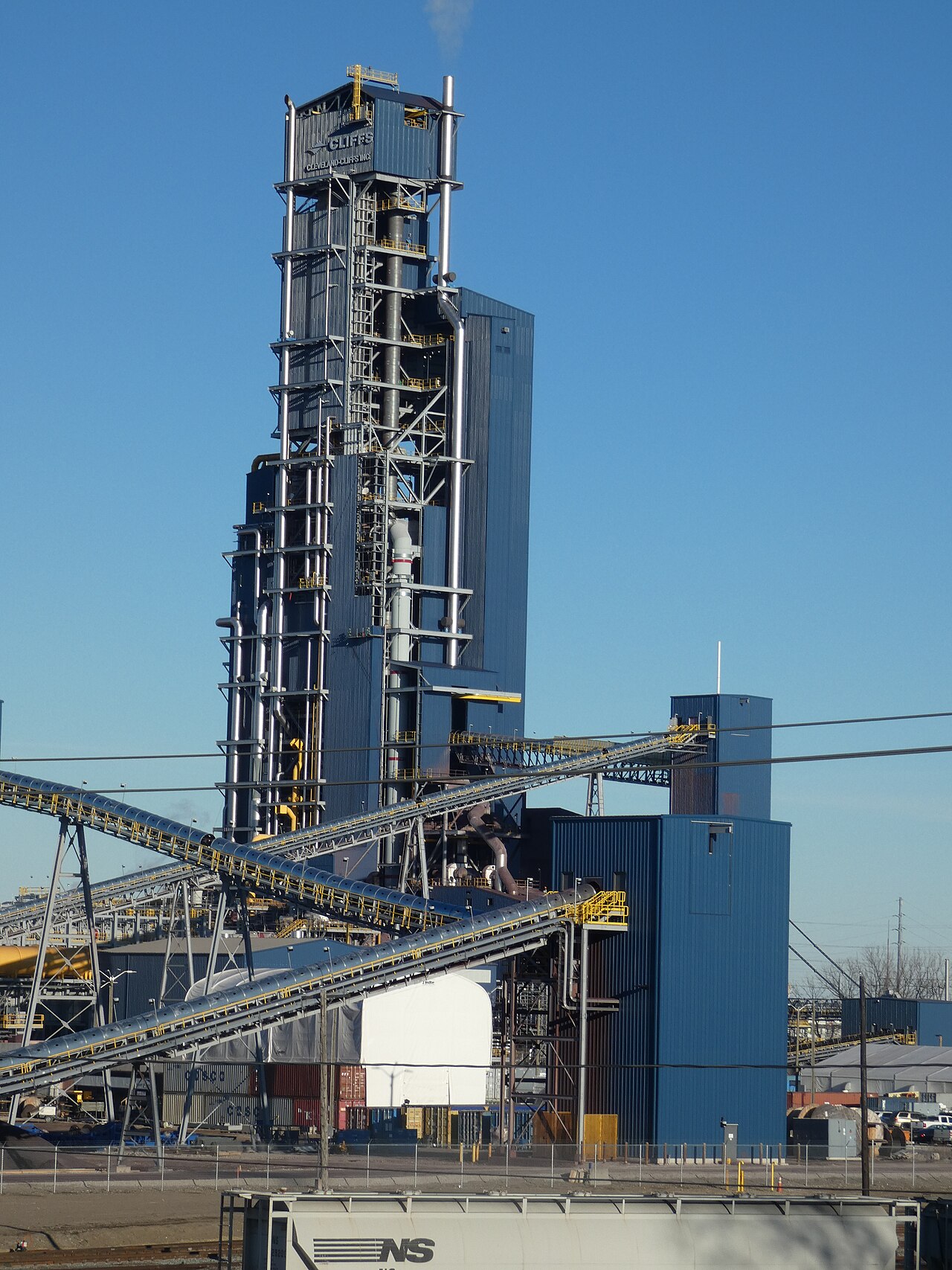
- Hero: File photo: The Cleveland-Cliffs hot-briquetted iron plant in Toledo, Ohio, in January 2021, photo by MrJacon000, Wikimedia Commons, CC BY-SA 4.0.
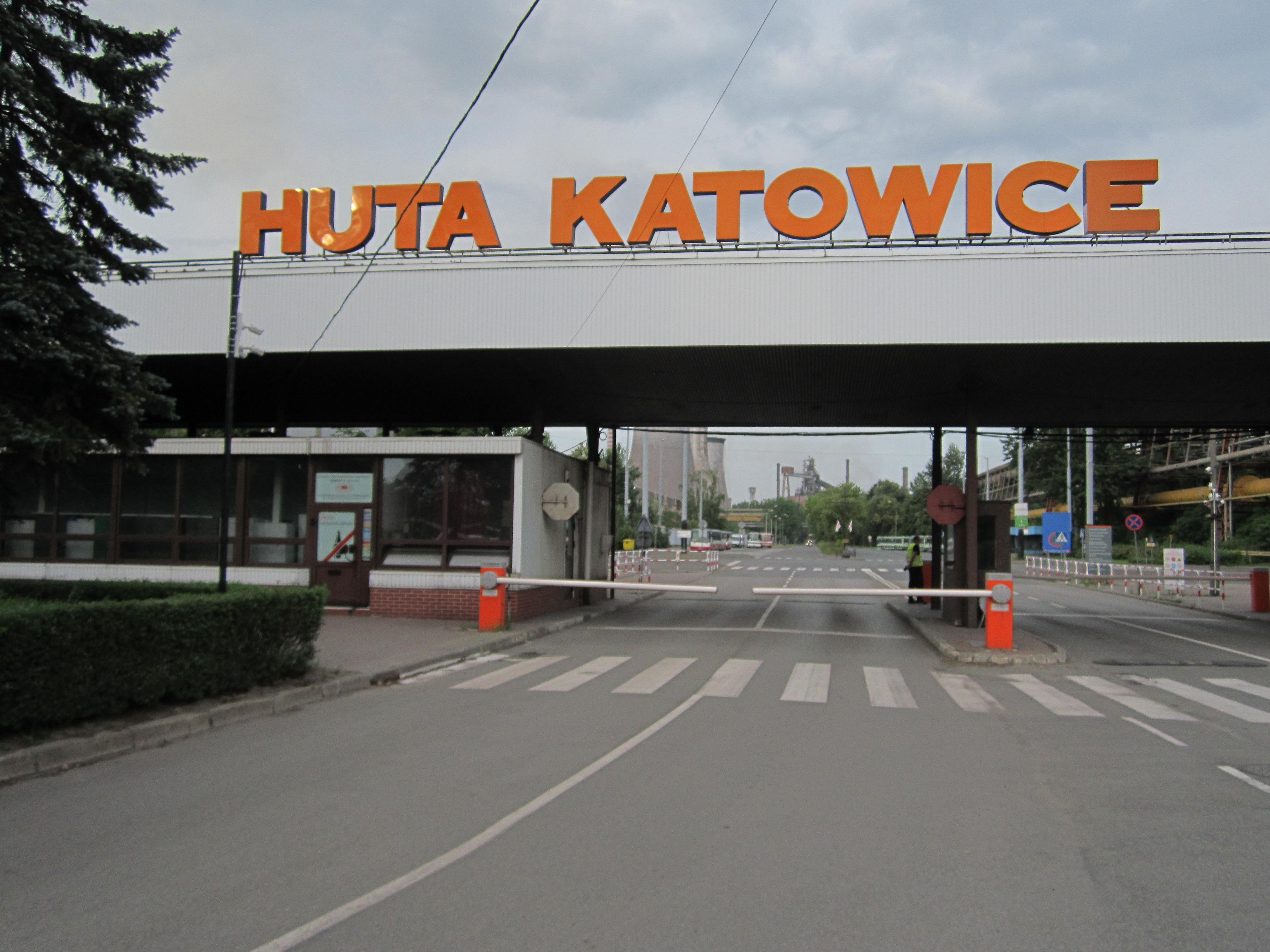
- Inline: File photo: The Huta Katowice steelworks gate in Dąbrowa Górnicza, Poland, 2018, photo by Peter.shaman, Wikimedia Commons, CC BY-SA 4.0.
- Inline: File photo: The historic Soudan Underground Mine (Lake Vermilion-Soudan Underground Mine State Park), Minnesota, 2017, photo by Tony Webster, Wikimedia Commons, CC BY-SA 2.0.